Build the Base
Everything starts with a site, the technology stack, and a single weekly event. Phase 1 is about proving the model works — that guests show up, conversations flow, plants grow, and the tech captures it all. Keep everything semi-portable in case the venue changes.
Select Site
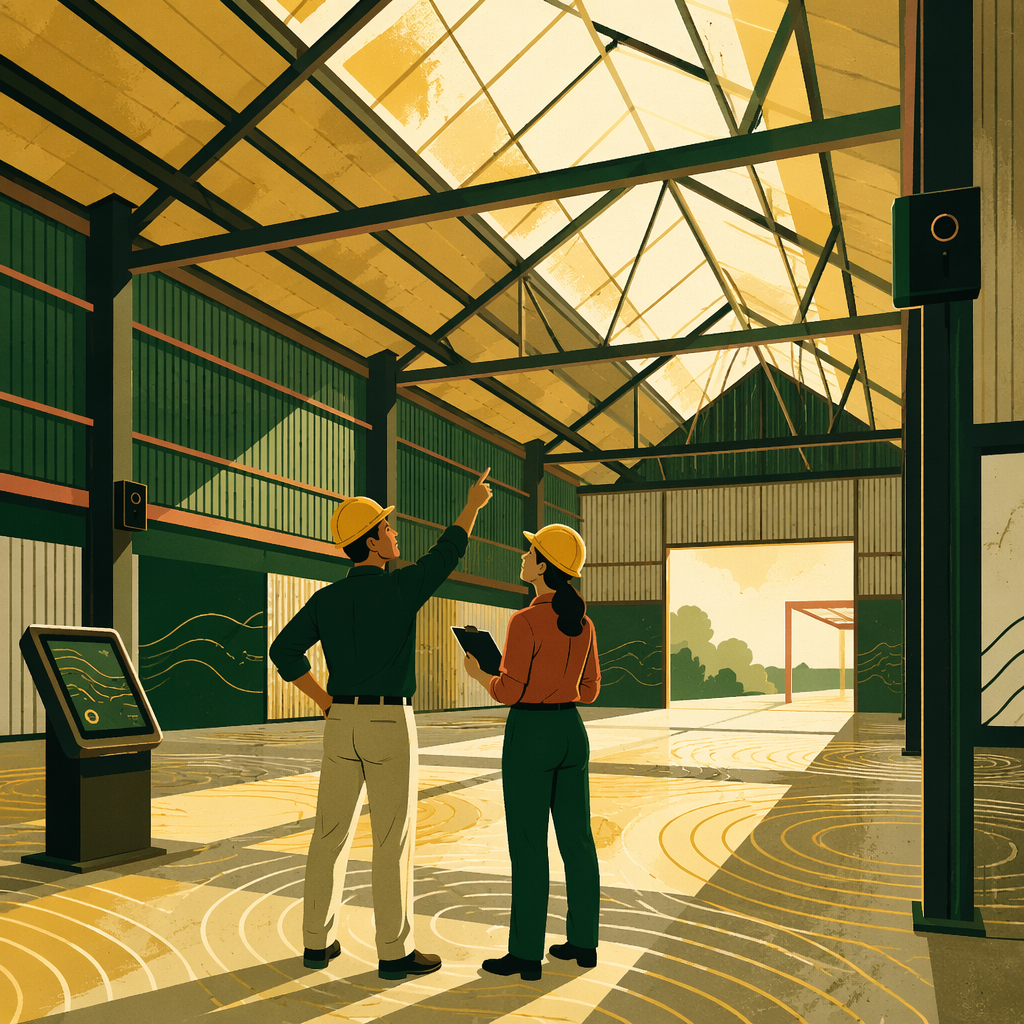
Find a rental or partner location — an industrial warehouse, garden center, or mixed-use space with high ceilings, natural light, and outdoor access. Prioritize spaces that can host 8+ round tables indoors and have adjacent land for raised garden beds. Assume the first site may not be permanent: design everything to be semi-portable.
Software Infrastructure
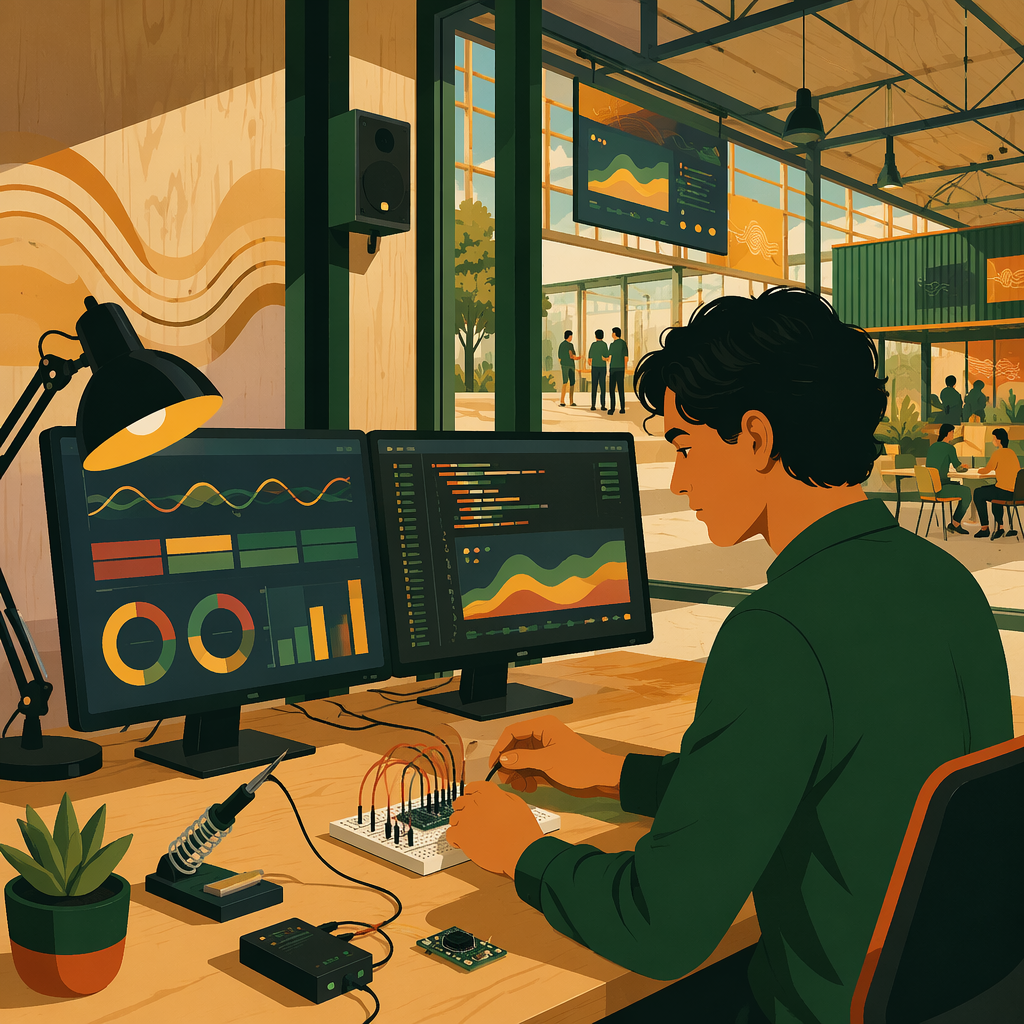
Deploy the full software stack that guests and volunteers will interact with daily:
- Privacy system — consent management, data ownership, GDPR compliance
- User profiles — interests, dietary needs, growing experience, event history
- Growing AI — plant recommendations, soil analysis, harvest predictions
- Space design AI — layout optimization, seating arrangements, flow analysis
- Device management AI — sensor health, camera feeds, irrigation scheduling
- Mobile apps — guest experience app + volunteer operations app
Hardware Setup
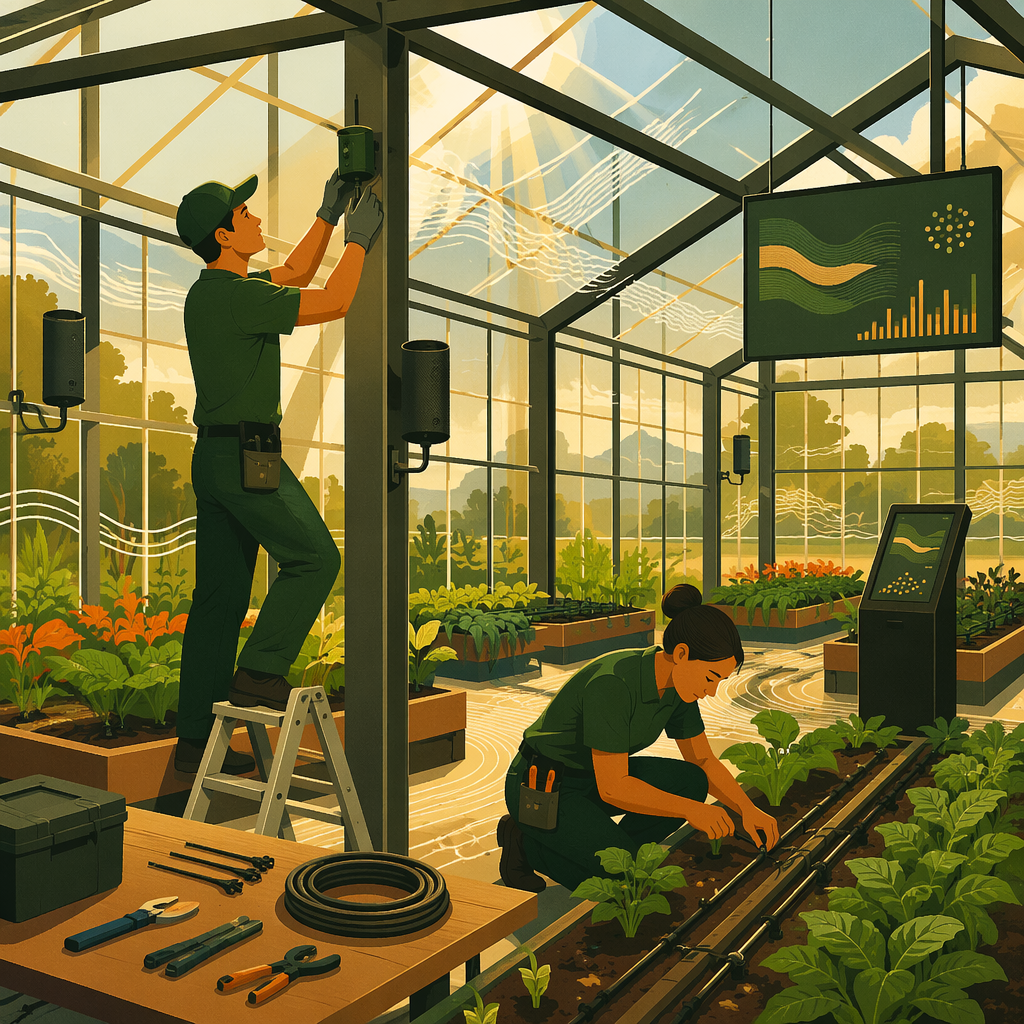
Install the physical technology layer that connects the space to the software:
- Tablets at each table — for event interaction, feedback, and growing data
- Cameras — event documentation, security, and content creation
- Computers — central operations hub, real-time dashboards
- Environmental sensors — soil moisture, temperature, humidity, light levels
- Automated irrigation — sensor-driven watering for raised beds and greenhouse
Space Setup
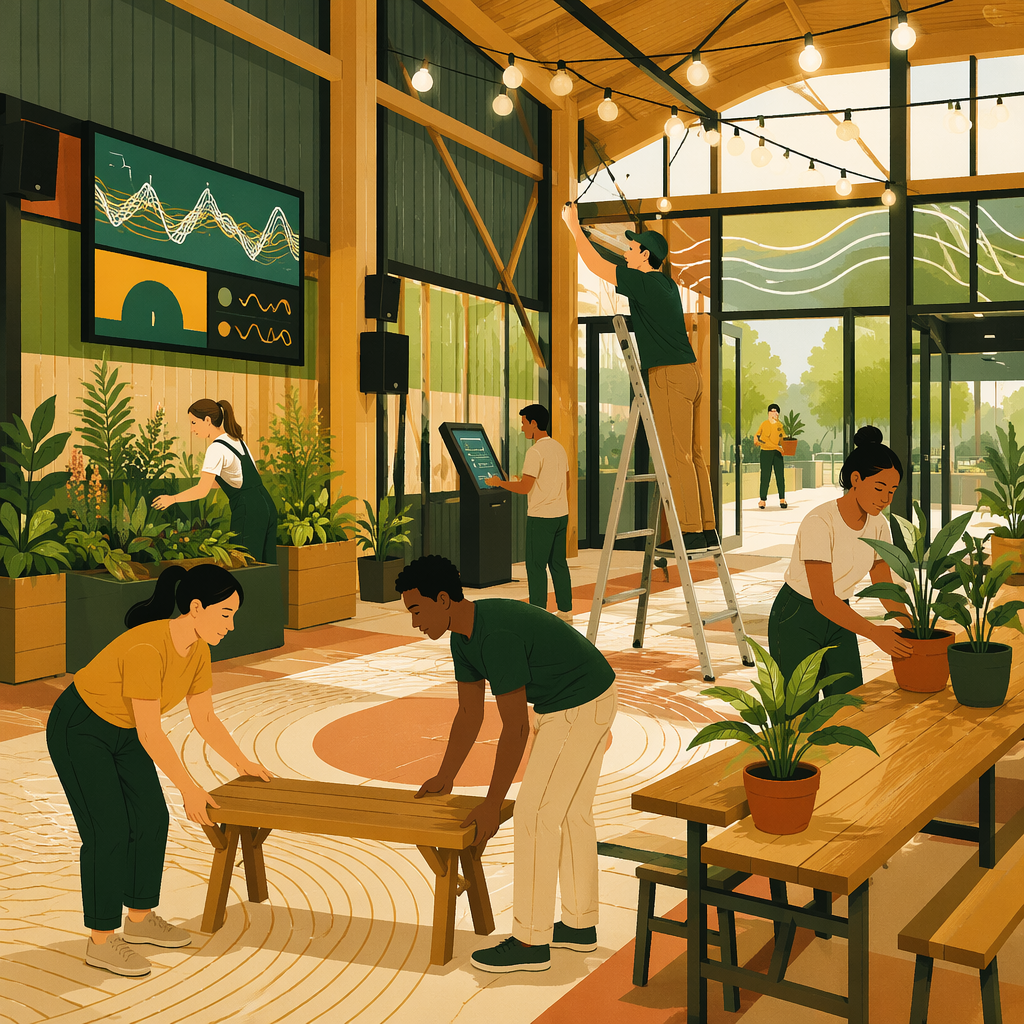
Configure the physical environment for both social gatherings and horticulture:
- 8 round social tables — seats 8 people each, wired with microphones and tablets
- Horticultural area — raised cedar beds, greenhouse zone, tool storage, potting station
- Traffic flow — clear paths between dining, growing, and activity zones
Launch Sunday Events
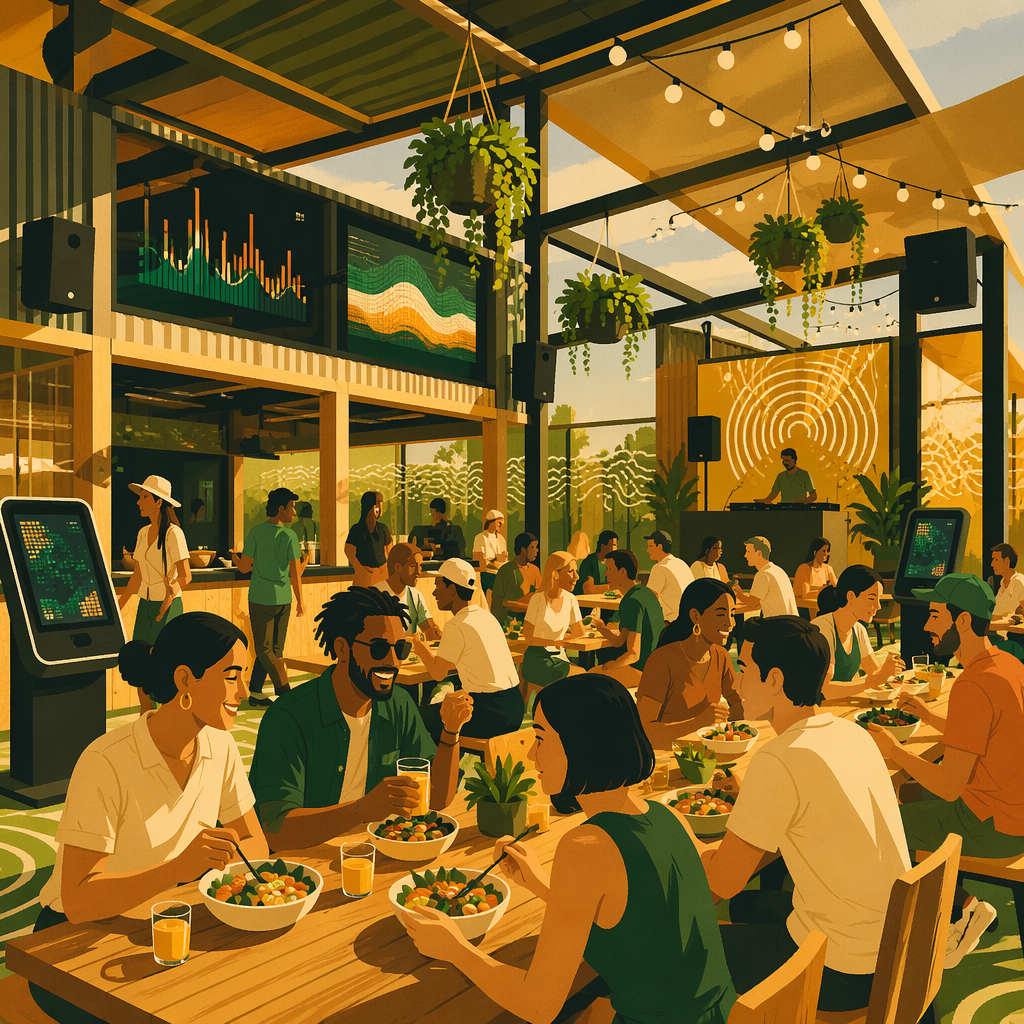
Begin with a single weekly event every Sunday from 1:30p to 5:30p. This is the core product — a 4-hour immersive experience combining structured conversation, hands-on growing, and community building. All other days (Monday–Saturday) are work days for building, testing, and improving the space and technology.
Recruit Volunteers
Recruit a cohort of volunteers who serve a dual purpose: they work on building and maintaining the space during the week, and they beta-test the technology and attend events on Sundays. Volunteers are the first users — their feedback shapes every iteration of the product. They get early access, influence over the direction, and deep involvement in a community they're helping create.
Build Amenities Incrementally
Add wellness and comfort amenities over time as the space proves itself. Start with semi-portable versions that can move if the venue changes:
- Barrel sauna — portable, cedar, electric-heated
- Cold plunge — freestanding tub with chiller
- Hot tub — portable cedar or inflatable, sensor-monitored
- Future: fire pit, outdoor kitchen, movement studio
Event Run-of-Show
Each event is a structured, data-rich experience. From the pre-event voice interview to the post-event follow-up, every touchpoint generates insights that improve the next event.
Pre-Event: Voice Interview
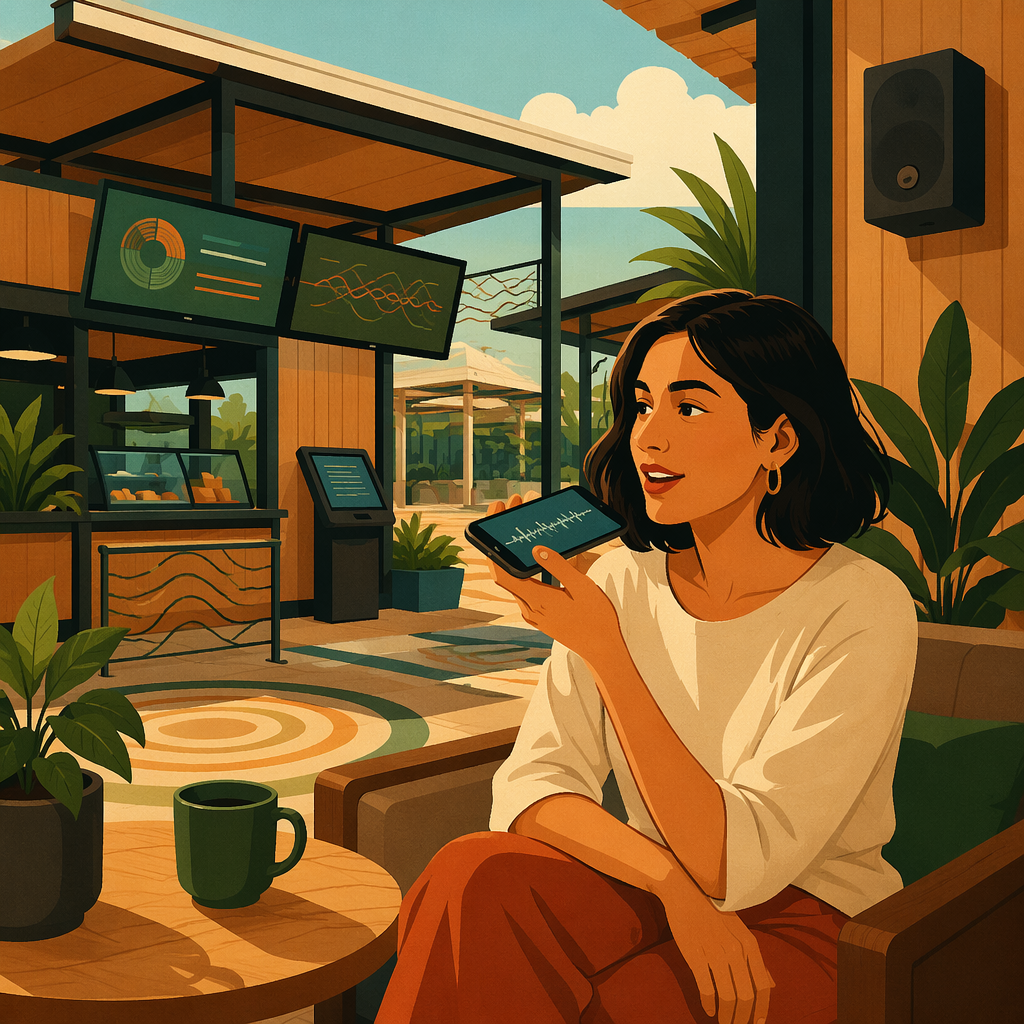
Before the event, each guest receives an AI voice agent call. The interview captures their interests, dietary preferences, conversation topics they're passionate about, and what they hope to get from the experience. This data drives table assignments — matching people who will spark the most interesting conversations.
Seating: 8 x 8 Structure
64 guests seated across 8 round tables, 8 people each. Table assignments are AI-optimized based on voice interview data — complementary interests, diverse backgrounds, and conversation chemistry. Each table has a discussion prompt or theme to seed the conversation.
Recording & Processing
Every guest is microphoned. Table conversations are recorded, transcribed, and processed by AI to extract key themes, interesting insights, action items, and connection opportunities. Video cameras capture the energy of the event for content creation. All recording follows explicit consent protocols managed by the privacy system.
During-Event Feedback
Real-time satisfaction signals collected throughout the experience — tablet-based pulse checks, conversation energy metrics from audio analysis, and volunteer observations. Issues are flagged and addressed in real time rather than discovered after the fact.
Post-Event Feedback
Follow-up voice or text survey within 24 hours. Captures reflection-level feedback: what stuck with them, who they want to see again, what they'd change. This feeds directly into the next event's planning — table assignments, discussion topics, space configuration.
Gamification & Social
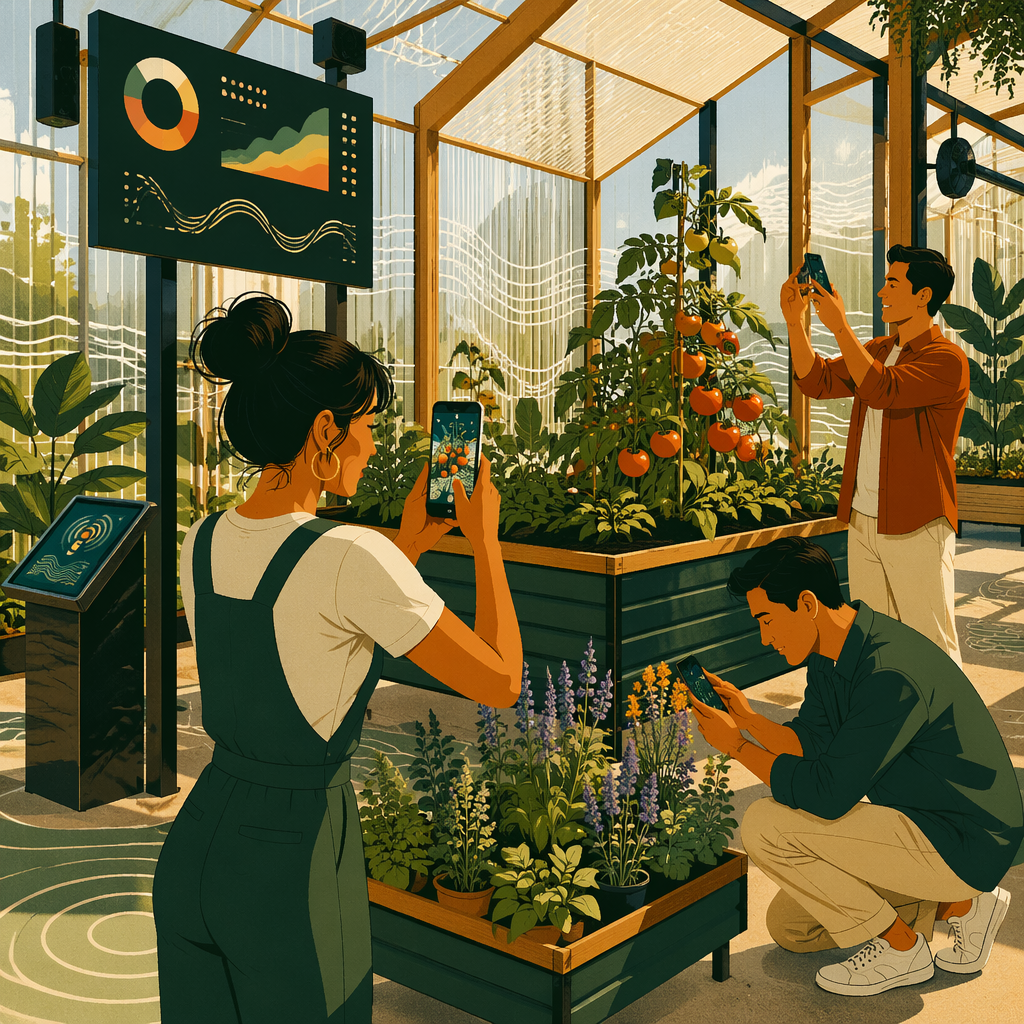
The growing process is gamified — teams compete on plant health, harvest yields, and creative growing experiments. Leaderboards, badges, and progress tracking make horticulture engaging and shareable. Content is recorded with an entertaining slant and posted to social media: time-lapses of growth, harvest celebrations, unexpected growing results, and the genuine joy of people discovering they can grow things. The content strategy leans into what makes this different — it's not polished influencer content, it's real people being surprised and delighted by nature and each other.
Every event generates structured conversation data, growing insights, and social content — each one makes the next event better. The flywheel compounds: better data means better table assignments, better conversations mean better content, better content means more interesting guests.
Expand by Demand
Scaling is gated by user satisfaction, not calendar dates. Each expansion is earned — only triggered when guest ratings and repeat attendance prove the model is working.
Add Saturday Events
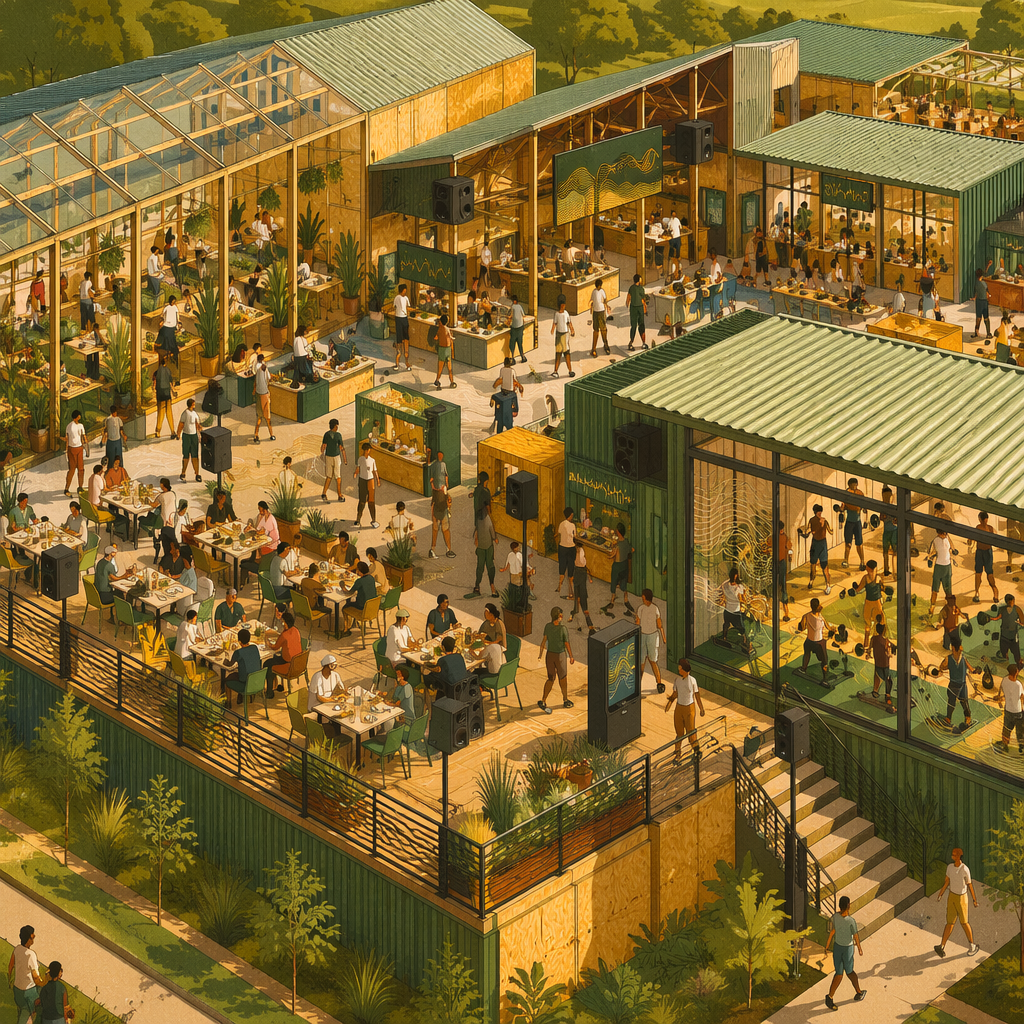
After the Sunday model is proven — consistent attendance, high satisfaction ratings, and a growing waitlist — add a second weekly event on Saturdays. Same 1:30p–5:30p format. This doubles capacity to 128 guests/week while keeping the intimate 8x8 table structure.
Weekday Night Events
After sustained high satisfaction scores (not just one good weekend), introduce weekday evening events. Shorter format, different energy — more focused on after-work decompression, growing check-ins, and smaller-group conversations. These test whether the model works beyond weekend leisure mode.
Increase Frequency
Continue layering in additional event days based on demand signals: waitlist length, repeat booking rate, satisfaction trends, and volunteer capacity. The goal is daily events — but only when every dimension of quality supports it.
Work Days Evolve
As event days expand, dedicated work days compress. The space transitions from mostly-building to mostly-operating. Volunteers shift from construction to event operations. The tech stack handles more automatically. Maintenance, growing, and improvements happen in the gaps between events.
The scaling trigger is always the same question: are guests having an experience they tell their friends about? If yes, add capacity. If not, improve what exists.
Phase Progression
Foundation
64 guests per event
Volunteer-driven
Semi-portable setup
Scale Up
128–192 guests/week
Mixed volunteer + staff
Permanent amenities
Full Operations
Full capacity
Professional operations
Complete wellness suite